
Getting Started in Big Ambitions
A day-one loop for the 1.0 full release -- not an Early Access museum tour.
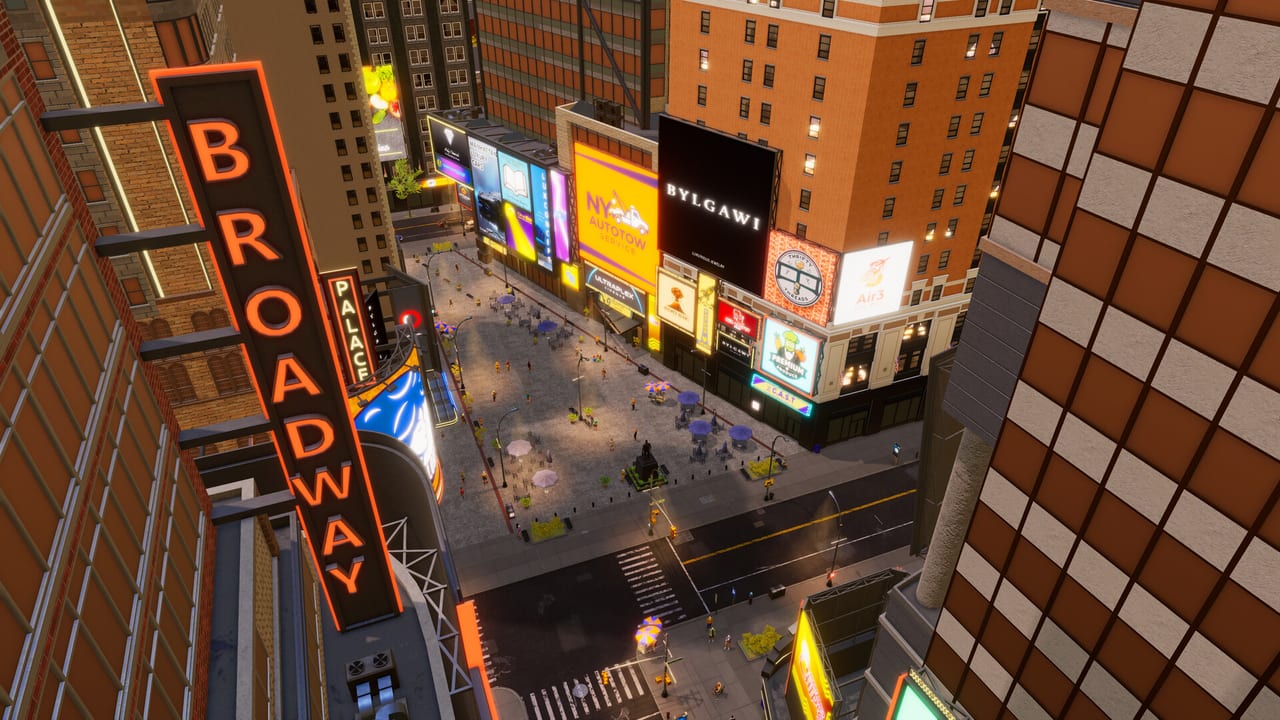
Big Ambitions drops you in New York with an uncle, an empty fridge, and a bank balance that looks like a rounding error. The 1.0 full release still uses that opening, then opens the rest of the city: Garment District, Hell’s Kitchen, Murray Hill, Midtown, Lower Manhattan, Industry City, and The Hamptons. This page is the first-week script. Read how to make money only after the first shop can open without you standing in it.
The game is single-player. Nobody else will restock the shelf. Your character still needs sleep, food, and a little happiness or the next workday collapses. Treat those three bars as operating costs, not flavour.
Day one: apartment, food, map
Uncle Fred points you at a small apartment. Accept it. Then buy a fridge and enough food that you are not grocery-running every morning. Talk to the clerk at any store you enter — that conversation unlocks the contact so you can call later instead of walking across town. Open the map filters and pin: Metro / large wholesalers, a recruiter, a bank, IKA-style furniture, and the nearest subway.
Do not buy a sports car. Do not furnish a penthouse. A used van (or the cheapest cargo vehicle the dealer will sell) is the first real upgrade because trunk space is the early-game bottleneck — vehicles if you want the truck and chauffeur later. The controls page lists the phone, map, and interior-designer keys you will mash for the rest of the save.
The first shop is a logistics puzzle
Story mode used to force a gift shop and a weak fast-food counter. The rebuilt tutorial lets you start almost any wholesaler business and rewrites the tasks around that choice. Still, pick with Market Insider, not nostalgia. Look for a neighborhood where several products in one shop type sit at high demand with few providers. A lone 100% coffee number next to 40% donuts is a trap. Two jewelry SKUs both above 80% with no rival is a shop.
Rent in the Garment District for the first location unless demand screams otherwise. You want walking distance to a wholesaler and a subway. Building code matters more than the pretty lobby: customer cap and traffic index beat raw square metres. A C2 (about 225 m², 30 customers) is a common sweet spot; an A1 (75 m², 15 customers) will cap you no matter how much you advertise. Details live on the neighborhood ranking.
Fit the shop with a checkout if you can afford it — checkouts need fewer bodies than a row of registers. Put storage in the back larger than you think you need. Paint and logo can wait a week. Open with the products the district actually wants, then fill leftover floor with extras that do not overlap a shop you already own nearby.
Stop working the register
If you are ringing sales, you are not founding a company. Call a recruiter the same day the lease starts. Order a batch of customer-service candidates (younger age band, short delivery window) and at least one cleaner. Set a schedule before you go to sleep. The employees guide covers uniforms, skill, and why 24/7 retail is often cheaper than it looks.
Until those people arrive, you may have to sit the till for a shift. Use that shift to watch Econoview: revenue versus profit, leftover stock, and which hours actually move boxes. Fast food in particular hates a default 8 a.m. - 4 p.m. window — see opening hours.
Cash, loans, and the second vehicle
Banks look at recent daily income, not your speech check. A dead shop will not unlock a fat loan; a shop that just had a $2,000 day might. Borrow for stock, a van, and a second checkout, not for a leather sofa. Park idle cash in an investment product only after payroll is safe for two weeks. 1.0 changed tax deductions and property timing — do not copy a 2023 “never buy buildings” video blindly. The banking guide and the 1.0 notes flag that pass. Speedy Bites can feed you when a grocery run would waste the morning; details sit on housing.
When the first shop is staffed, your job becomes restock and expansion scouting. That is the whole beginner skill: replace your legs with other people’s schedules. A second shop in the same district should sell a different basket so you do not eat your own demand. If Garment District is already gift-heavy, look at liquor, clothing, or jewelry using the product ranking.
Common first-week failures
- Buying from the closest tiny wholesaler because the quest marker is there. Walk to the larger warehouse; the quest still completes and your margin jumps.
- Advertising a 15-customer room until the promotion bar is full. Traffic plus marketing caps at 100% promotion. Extra billboards past that cap are a vanity cost.
- Opening 8 - 4 on a night-weighted business, or 24/7 on a gym that gets nobody after midnight.
- Skipping sleep to “optimize.” Exhaustion makes the next delivery day longer, not shorter.
- Saving for a factory. You want a warehouse long before Industry City.
What “done” looks like on this page
You can put the tutorial away when: the apartment has food, the first shop has staff on a written schedule, a van exists, and you have called both a recruiter and a wholesaler from the phone. Then read how to make money and pick shop two with the tier list. If story quests still nag, keep them in a side queue via the walkthrough instead of letting Fred drag you into a second bad restaurant.
Hardware stutter will also fake a bad start. If the city hitchs while you drive, check system requirements before you blame the economy. Workshop blueprints can skip furniture hell; subscribe after you understand one handmade layout so you know what the blueprint is doing.
This is a long game. The first week is supposed to feel tight. The mistake is treating tightness as a reason to stay on the till.
Frequently Asked Questions
Quick answers to the most common questions.
Should I finish the Big Ambitions tutorial?
Yes, once. It still teaches food, insurance, and the first lease. After the first staffed shop, ignore extra tutorial businesses and follow make money.
What should I buy with the first loan?
Stock, a cargo van, and enough staff that you leave the register. Furniture prestige can wait.
Is Garment District always the right first neighborhood?
Usually, because wholesalers and the subway are close. Switch if Market Insider shows a cleaner demand gap next door -- compare on the neighborhoods page.
When do I open a headquarters?
After two shops already run without you. Desks without cashflow are just rent. See headquarters.